Case Studies · A little curiosity at work
The proof is
in the people.
A look beneath the surface of real workplaces and the possibilities that opened up when we got curious together.
Explore the Stories
Good work.
Real stories.
Different starting points, a shared curiosity. Find a story that sounds like your workplace.
11 stories to get curious about
People & Culture
Bringing Mission, Vision, and Values Back to Life.
Read the StoryClose the Story

Bringing Mission, Vision, and Values Back to Life.
The Challenge.
As Boxing Rock Brewing Co. grew, its mission, vision, and values no longer reflected who the organization was or where it wanted to go. Leaders needed a shared direction, and employees needed to see themselves in it.
Our Approach.
We listened to leaders and employees through surveys, conversations, coaching, and workshops. Together, we explored what made Boxing Rock distinctive, what people wanted to protect, and what needed to change. We then helped turn those ideas into a refreshed mission, vision, and values framework.
The Outcome.
Boxing Rock gained a clearer picture of its purpose and future direction. The refreshed framework brought employee perspectives and leadership priorities together, giving leaders a shared reference point for decisions and communication.
The Key Insight.
Mission, vision, and values are more than words on a page. When employees help shape them, they are more likely to see how those values connect to their work. The goal is a shared direction people can use when making everyday decisions.
This case study provides a high-level overview to respect the confidentiality of the engagement. The company’s name is shared with permission.
Organizational Change
Helping a Craft Brewery Navigate Change.
Read the StoryClose the Story

Helping a Craft Brewery Navigate Change.
Organizational Change
Helping a Healthcare Board Find Common Ground.
Read the StoryClose the Story
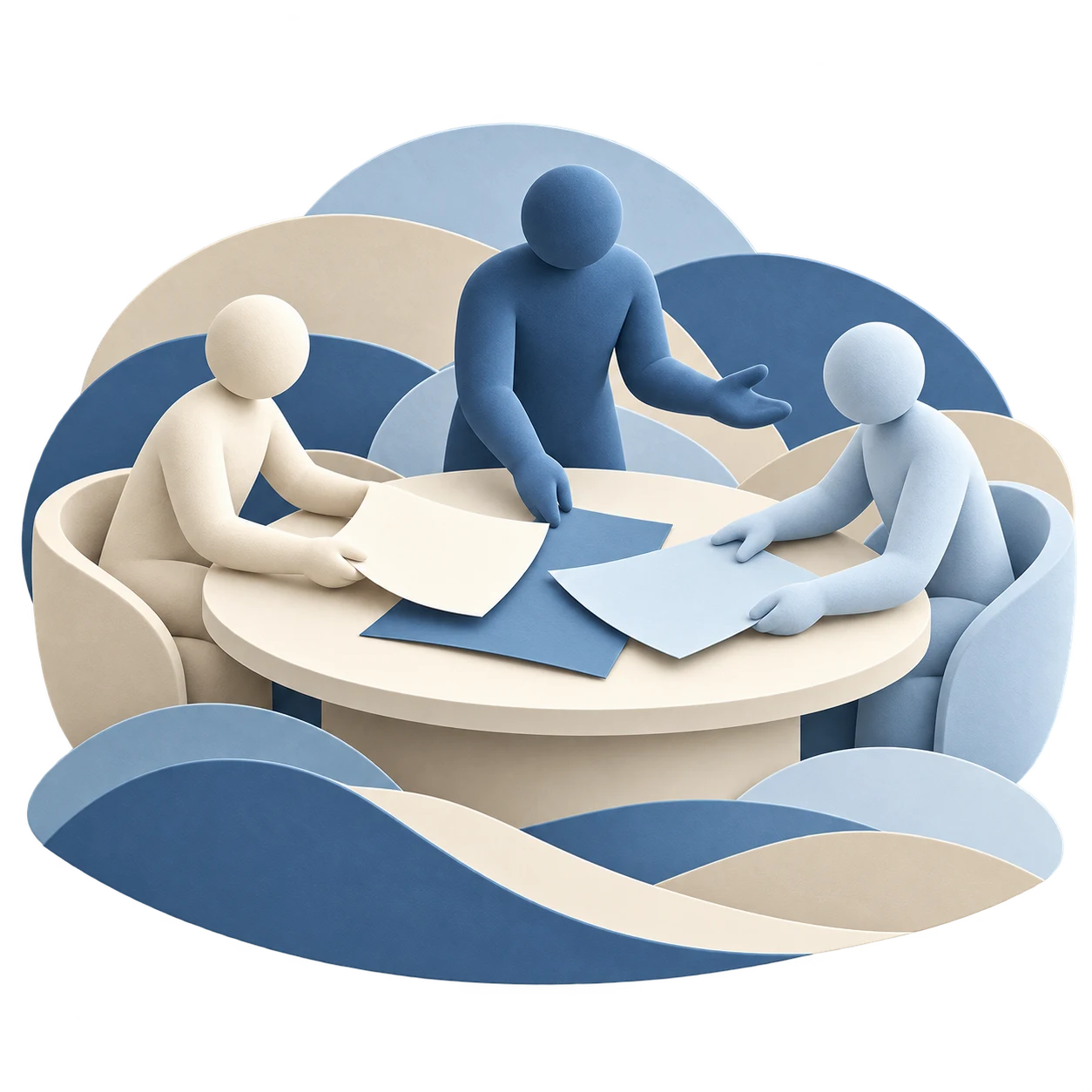
Helping a Healthcare Board Find Common Ground.
The Challenge.
A healthcare professional association had plenty of ideas about its future, but its board members did not agree on which priorities should come first. The executive director needed a clear direction before moving ahead with a plan.
Our Approach.
Across four facilitated sessions, we helped board members share their perspectives, explore competing ideas, identify common ground, and turn their discussions into a practical set of priorities.
The Outcome.
The board agreed on priorities for the next 12 to 18 months. This gave the executive director clearer direction for implementation and helped board members build ownership of the plan.
The Key Insight.
When leaders disagree about priorities, moving straight to a decision can leave important concerns unresolved. Making room for different perspectives helps a group find common ground and commit to a direction together.
Client details are kept confidential to respect the nature of the engagement.
Leadership & Growth
Building Accountability Without Overloading Managers.
Read the StoryClose the Story

Building Accountability Without Overloading Managers.
People & Culture
Turning Employee Feedback Into Meaningful Action.
Read the StoryClose the Story

Turning Employee Feedback Into Meaningful Action.
The Challenge.
A growing engineering firm was concerned about engagement, communication, and retention. Leaders had ideas about what employees might need, but wanted to understand the actual experience before choosing solutions.
Our Approach.
We designed a tailored engagement and culture assessment and combined survey results with interviews, observations, and leadership conversations. Then we helped leaders make sense of the findings, choose priorities, and prepare managers to discuss feedback with their teams.
The Outcome.
The firm gained a clearer understanding of the issues shaping employees’ experiences and identified priorities for action. Managers gained tools to have more open conversations and involve their teams in finding solutions.
The Key Insight.
Employee feedback tells you what people are experiencing, but it doesn't always explain why. Surveys become more useful when leaders explore the reasons behind the results and involve employees in deciding what to do next.
Client details are kept confidential to respect the nature of the engagement.
People & Culture
Finding the Gaps in the Employee Experience.
Read the StoryClose the Story

Finding the Gaps in the Employee Experience.
The Challenge.
A sports and fitness organization wanted to make sure its people practices could support its next stage of growth. Some processes had developed over time, and leaders needed to know what was working, what was missing, and where risks might be building.
Our Approach.
We reviewed the employee journey from hiring and onboarding through performance, development, retention, and departure. We looked at documents and practices, including job postings, agreements, onboarding, and performance management, then organized our findings into priorities.
The Outcome.
Leaders received a clearer view of strengths, gaps, and potential risks across the employee lifecycle, along with a prioritized roadmap for improvement.
The Key Insight.
People challenges don't always begin with people. Unclear expectations, inconsistent onboarding, or gaps in performance processes can create frustration as an organization grows. Looking across the employee experience helps leaders address problems earlier.
Client details are kept confidential to respect the nature of the engagement.
Learning & Connection
Building a Culture of Continuous Learning.
Read the StoryClose the Story

Building a Culture of Continuous Learning.
The Challenge.
Dress for Success, a BC-based non-profit with a global reach, wanted learning to be part of everyday organizational life, not just an occasional training event. Its goal was to support resilience, wellbeing, and personal and professional growth over time for its community.
Our Approach.
Over more than five years, we designed and facilitated learning experiences roughly every three months. Topics included psychological safety, resilience, psychological capital, motivation, and values- based goals. Sessions made room for reflection, discussion, and practical next steps.
The Outcome.
The partnership gave employees and community members ongoing opportunities to learn, reflect, and connect. It also provided the organization with a consistent approach to supporting personal growth and development.
The Key Insight.
Effective learning is not just about sharing information. People need time to connect new ideas to their own experiences, talk with others, and decide how to use what they've learned. That is what makes development feel relevant.
This case study provides a high-level overview to respect the confidentiality of the engagement. The company’s name is shared with permission.
Learning & Connection
Rethinking What Makes Leaders Resilient.
Read the StoryClose the Story

Rethinking What Makes Leaders Resilient.
The Challenge.
At the 2023 BC Craft Brewers Conference, owners and leaders came together to talk about running and growing businesses. We were invited to explore a resource that can be easy to overlook: the confidence, hope, resilience, and optimism people bring to their work.
Our Approach.
We delivered a keynote on psychological capital, combining workplace psychology with practical examples and questions for reflection. The session encouraged attendees to think about how they invest in themselves and their teams, not just in the financial side of business.
The Outcome.
The keynote reached an audience of more than 400 industry professionals. Attendees engaged during the session, and several reached out afterward to share how the message connected with their own experiences.
The Key Insight.
A keynote can spark more than a moment of inspiration. When the message connects to challenges people actually face, it gives them something to reflect on and discuss long after the event.
This case study provides a high-level overview to respect the confidentiality of the engagement. The company’s name is shared with permission.
Team Effectiveness
Making Meetings Worth Everyone’s Time.
Read the StoryClose the Story

Making Meetings Worth Everyone’s Time.
The Challenge.
An engineering organization was spending a lot of time in meetings, but people often left with different understandings of decisions and next steps. Updates took up the conversation, and some decisions had to be revisited.
Our Approach.
We observed meetings and looked at how agendas, participation, decisions, and follow-up worked. Then we helped leaders improve what happened before, during, and after meetings, including clearer objectives, more useful discussions, and better follow-through.
The Outcome.
The organization adopted a more intentional approach to meetings. Teams gained clearer expectations for decisions and next steps, with more space for problem-solving instead of repeated updates.
The Key Insight.
More meetings don't necessarily mean better communication. When updates are shared ahead of time, people can use meetings to discuss challenges, make decisions, and agree on next steps. The way a meeting is designed shapes what it achieves.
Client details are kept confidential to respect the nature of the engagement.
Team Effectiveness
Building Teams That Can Actually Adapt.
Read the StoryClose the Story

Building Teams That Can Actually Adapt.
The Challenge.
A large retail organization had introduced Agile practices to its technology team, but the way people worked together had not changed as much as expected. Leaders wanted more flexibility, collaboration, and shared ownership, not just new processes.
Our Approach.
We talked with leaders and team members, observed work, reviewed processes, and provided coaching and training. Together, we explored where Agile practices helped, where other approaches made more sense, and what habits would support better teamwork.
The Outcome.
The team developed a more practical hybrid approach that balanced structure with flexibility. Leaders and employees also strengthened their focus on feedback, shared responsibility, and continuous improvement.
The Key Insight.
Introducing an Agile framework doesn't automatically make a team adaptable. People also need trust, clear priorities, room to learn, and the ability to adjust how they work. The habits behind the process matter as much as the process itself.
Client details are kept confidential to respect the nature of the engagement.
Team Effectiveness
Uncovering What’s Really Holding a Team Back.
Read the StoryClose the Story

Uncovering What’s Really Holding a Team Back.
The Challenge.
One department was struggling with performance, engagement, and teamwork compared with the rest of its organization. Leaders first suspected workload and productivity, but wanted to understand what was happening before deciding what to change.
Our Approach.
We conducted a team audit using interviews, observations, and conversations with leadership. We looked at roles, communication, decisions, and day-to-day interactions. The work showed that team dynamics and patterns of interaction were important parts of the picture.
The Outcome.
Leaders gained a clearer understanding of what was affecting the team and used those findings to make more informed changes. The engagement supported improvements in communication, accountability, and collaboration.
The Key Insight.
When a team is struggling, the most obvious explanation may not be the real issue. Unclear roles and patterns of everyday interaction can affect how everyone works together. Understanding those patterns helps leaders make better decisions.
Client details are kept confidential to respect the nature of the engagement.
Your next chapter
There’s a story in
your workplace, too.
Tell us what’s happening. We’ll bring a fresh perspective and help you explore what could come next.